Where the Wildfires Are
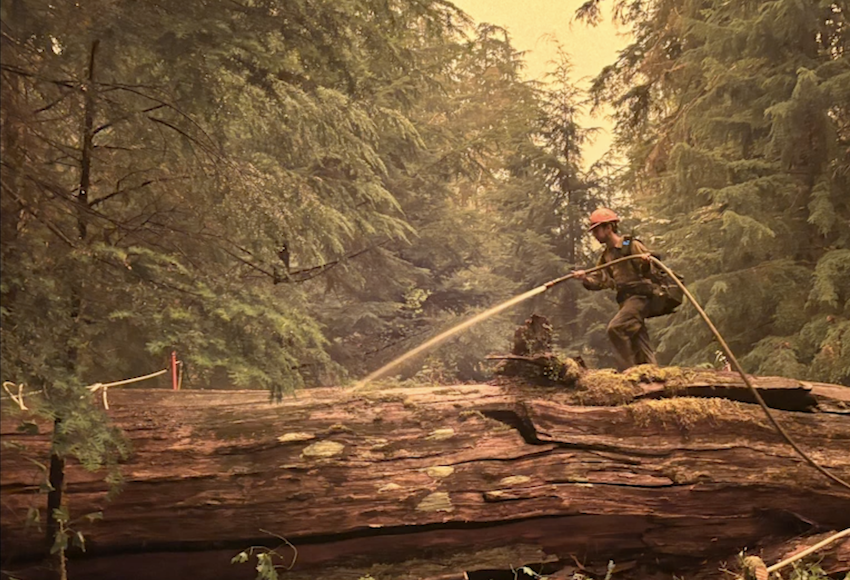
The Staircase area and campground as well as Big Creek Campground in Olympic National Park are currently closed due to the Bear Gulch Fire (click for the latest) in the park and surrounding Olympic National Forest. This fire is burning on a steep and rocky slope near the Mt. Rose Trailhead at the north end of Lake Cushman. At the time of this writing it’s burned over 5,000 acres and is 3% contained. ALL campfires are banned in Olympic National Park and Olympic National Forest as of August 1, 2025. This summer so far, wildfires have also forced evacuations at Lake Spokane, and the Cram Fire in Central Oregon burned nearly 100,000 acres, tanking air quality in the Bend area for several days.
Last summer we were camped up one of my favorite spots, Colonial Creek campground in North Cascades National Park, and the air quality was so compromised from a nearby wildfire that we were hiking in N95 masks. Conditions had worsened quickly as the wind shifted, and I was glad to have a stash of masks in my car. (It’s super unhealthy to hike or do any kind of exercise in poor air quality). The summer prior, our entire trip to the campground was cancelled when the campground closed due to a different wildfire.
Over the past decade or so, it’s become clear that “wildfire season” is our new normal in the Pacific Northwest, from spring through fall, and this is impacting our access to wild lands. Do you know where the wildfires are? How is the air quality at the campground or trailhead you’re headed off to? Are you allowed to build a campfire at the campsite? These are all great questions to get answers to before you head out to the Northwest outdoors.
Here are the resources I use to keep tabs on where the wildfires are, air quality, and campfire regulations.
Check wildfire status before you head out for a hike or camping trip. Inciweb is a good source for the location, size and percent containment of wildfires in the U.S. (https://inciweb.wildfire.gov). BC Wildfire Service is a good resource for British Columbia https://wildfiresituation.nrs.gov.bc.ca/map. If there is a wildfire in or near an area you plan to visit, hike or camp in, expect closures of access roads, campgrounds and trailheads. So your next step is to go to that land management agency’s website and their social media channels to see if there are any alerts about closures, or just pick up the phone and call them.
Check real-time air quality on Purple Air. Just go to map.purpleair.com and zoom in on your destination’s location. Every ten minutes, the map auto-updates with readings from thousands of air quality sensors. Each reading has a number and a corresponding color, so it’s easy to assess quickly what the air quality is like. Bright green readings are low numbers of particulates – that’s good! Yellow is acceptable. If the readings for your area are orange or red, you may get symptoms if you are sensitive to air pollution. For me, anything over 100 (dark orange) and I will start to get a headache if I’m outside for too long. Note that smoke can degrade air quality hundreds of miles from the source wildfire; it all depends of wind patterns or inversions. I highly recommend keeping tabs on air quality before you head out and throughout your trip, and have some good air-filtering masks with you in case air quality unexpectedly degrades.
Check for campfire restrictions. Bans or restrictions on campfires can happen at the land agency level (for example, a specific state park, all state parks, or a specific national forest) or it can happen by county or even an entire state. You may see that fires are restricted to designated campfire rings at developed campgrounds, and when wildfire danger is high or air quality is very bad there may be a ban on all open flames. There’s no central location for seeing all up-to-date campfire restrictions, but here are some handy links:
Washington DNR Burn Restrictions
Washington State Parks Campfire Restrictions
Oregon State Parks Campfire Restrictions
In addition, check in with the specific national park or national forest you will be traveling to. For example, as of August 1, 2025, ALL campfires are banned in Olympic National Park and Olympic National Forest.
PHOTO: Bear Gulch Fire, Olympic National Park, courtesy of the Bear Gulch Fire Interagency Response.